When you first look at a plate filled only with meat, it can feel a little overwhelming. You might wonder where the sides went or why the plate looks so simple. Yet once you step into the carnivore diet, you quickly realize the focus is not on mixing food groups but on exploring the incredible range within animal-based foods. As you move through this journey, you start to see that the real secret is embracing simplicity and learning how to cook meat with confidence.
These carnivore diet recipes guide you toward that ease. They stay simple, they bring out bold flavor, and they leave out every bit of confusion. They also show you that a diet built entirely on animal products does not have to feel dull. From pan-seared steaks with crisp edges to juicy burgers and slow-cooked comforting cuts, you are about to dive into meals that nourish you while delivering rich and satisfying taste every time.
Understanding the Carnivore Diet Framework
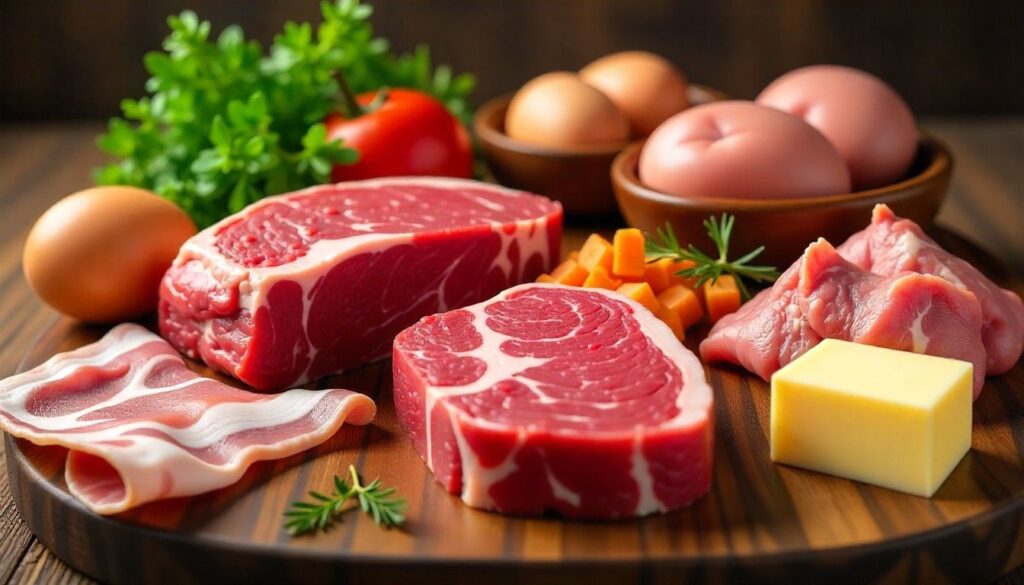
The Carnivore Diet works as an elimination approach that includes only animal products such as meat, fish, eggs, and select dairy items like butter and hard cheeses. It removes every plant food and shifts your attention to some of the most nutrient-rich options available to us.
These carnivore diet recipes help you meet your needs for protein and fat so you stay energized, satisfied, and supported in your overall health. In fact, a 2021 study in Current Opinion in Endocrinology, Diabetes and Obesity examined very low-carbohydrate diets and noted their potential to improve markers of metabolic syndrome, which aligns with the benefits many people report while following a carnivore diet. With these recipes, you can explore those advantages with a sense of clarity and confidence.
Recipe 1: The Perfect Pan-Seared Ribeye Steak
This is the cornerstone of many carnivore diet recipes. A well-cooked ribeye provides a perfect balance of protein and rich, satisfying fat. Mastering this technique is essential.
Calories: Approximately 1,100 calories (for a 16oz/450g ribeye with rendered fat).
Cooking Time: 15-20 minutes.
Ingredients:
- 1 large ribeye steak, 1.5 inches thick (at least 12-16 oz)
- Coarse sea salt
- 2 tablespoons tallow or butter
Instructions:
- Prep the Steak: About 30 minutes before cooking, take the steak out of the refrigerator. Pat it completely dry with paper towels. This is crucial for a good sear. Generously season all sides with coarse sea salt.
- Sear to Crust: Heat a cast-iron skillet over medium-high heat until it’s very hot. Add the tallow or butter. Carefully place the steak in the center of the hot skillet. Sear undisturbed for 2-3 minutes until a deep brown crust forms.
- Flip and Baste: Flip the steak. For medium-rare, cook for another 3-4 minutes. You can add a few extra tablespoons of butter to the pan and baste the steak continuously for extra flavor.
- Rest and Serve: Transfer the steak to a cutting board and let it rest for 5-10 minutes. This allows the juices to redistribute. Pour any rendered fat from the skillet over the steak before serving. The fat is a key part of the meal.
Recipe 2: Juicy Carnivore Diet Burger Patties
When you’re craving a classic handheld meal without the bun, these simple burger patties deliver. They are juicy, salty, and deeply satisfying.
Calories: Approximately 650 calories (for two 1/3 lb patties with pan drippings).
Cooking Time: 15 minutes.
Ingredients:
- 1 lb ground beef (80/20 fat ratio is ideal)
- 1 teaspoon coarse sea salt
- 2 tablespoons beef tallow or bacon grease
- 4 slices of cheddar cheese (optional, if tolerated)
Instructions:
- Form the Patties: Divide the ground beef into 4 equal portions. Gently form them into ¾-inch thick patties. Press a small dimple into the center of each patty with your thumb. This prevents them from puffing up in the middle.
- Season Generously: Just before cooking, season both sides of each patty liberally with sea salt.
- Pan-Fry: Heat the tallow in a skillet over medium-high heat. Add the patties and cook for 3-4 minutes per side for medium, or until your desired doneness.
- Add Cheese (Optional): If using cheese, place a slice on each patty during the last minute of cooking. You can cover the skillet to help it melt.
- Serve with Drippings: Serve the patties immediately, spooning the hot fat from the pan over the top. This adds moisture and flavor.

Recipe 3: Bacon-Wrapped Pork Chops
This recipe combines two carnivore favorites for a meal that is incredibly flavorful and foolproof. The bacon keeps the pork chop moist and adds a delicious, crispy exterior.
Calories: Approximately 750 calories (for one thick pork chop with 3 slices of bacon).
Cooking Time: 25-30 minutes.
Ingredients:
- 2 thick-cut, bone-in pork chops
- 6 slices of sugar-free bacon
- Coarse sea salt
Instructions:
- Preheat and Prep: Preheat your oven to 400°F (200°C). Pat the pork chops dry and season both sides with salt.
- Wrap in Bacon: Wrap 3 slices of bacon around the outer edge of each pork chop, tucking the ends under the chop or securing them with toothpicks.
- Sear the Bacon: In an oven-safe skillet, cook the bacon-wrapped chops over medium heat for 2-3 minutes per side, just to render some bacon fat and crisp up the bacon.
- Finish in the Oven: Transfer the entire skillet to the preheated oven. Bake for 12-18 minutes, depending on the thickness, until the pork reaches an internal temperature of 145°F (63°C).
- Rest and Serve: Let the chops rest for 5 minutes before serving. The bacon will be crispy, and the pork will be perfectly juicy.
Pro Tips for Carnivore Cooking Success
- Emounce Fat: Don’t be afraid of fat. It’s your primary energy source on this diet. Always eat the rendered fat left in the pan; it’s packed with flavor and nutrients.
- Salt is Your Friend: Since you’re not getting electrolytes from other sources, salting your food to taste is important for maintaining mineral balance.
- Invest in a Meat Thermometer: The best way to avoid overcooking is to use a thermometer. For beef: 135°F (57°C) for medium-rare. For pork: 145°F (63°C). For chicken: 165°F (74°C).
- Use High-Heat Fats: Tallow, ghee, and lard have high smoke points, making them ideal for searing meats without burning.
For more guidance on starting this way of eating, check out our [carnivore diet for beginners guide].
The Final Word: Keep It Simple
The most successful carnivore diet recipes tend to be the simplest, and as you follow this way of eating, you return to the true roots of nourishment. You begin to focus on the quality of each ingredient and the care you put into your cooking. There is real satisfaction in enjoying a piece of meat cooked to perfection, seasoned only with salt and its own rich rendered fat. It reminds you that the most effective solutions are often the most direct ones. As you move forward, listen to your body and enjoy each step, because that is how you uncover the personal benefits this diet has in store for you.
Frequently Asked Questions (FAQ Section)
1. What can I drink on the carnivore diet?
Stay with water, sparkling water, and bone broth as your main choices. Some people include coffee and tea, yet when you follow a strict elimination approach, it helps to begin with only water and bone broth. This sets a clean foundation and makes it easier to understand how your body responds.
2. I’m getting bored of plain meat. What can I do?
Shift your attention toward exploring different animal foods and a variety of cooking methods. You can try new cuts such as brisket, short ribs, or even organ meats, and you can bring in seafood options like salmon or sardines. As you go, experiment with techniques like slow cooking, broiling, or air frying so each meal feels fresh and satisfying.
3. Are eggs allowed on the carnivore diet?
Yes, eggs play an important role and many consider them one of the most complete foods on the carnivore diet. They offer impressive nutrition, and you can use them in countless ways, which makes them both convenient and versatile.
4. Can I have dairy on the carnivore diet?
This depends on your personal tolerance. Some people include high-fat, low-lactose dairy like butter, heavy cream, and hard, aged cheeses (like cheddar or parmesan). If you have autoimmune issues, you may want to eliminate dairy initially.
5. How do I get enough fiber?
The carnivore diet functions as a zero fiber approach. When you remove plant matter, the idea is that you also remove common gut irritants. Many people share that their digestion feels smoother without fiber, and your body gradually adjusts as you continue with this way of eating.
All images are made by using Freepik Image Generator.








Leave a Reply