What if you could pour yourself a vibrant, delicious drink that gives real support to your most important organ? While no juice works like a magic cure, bringing the right mix of fruits and vegetables into your routine can become a powerful and genuinely enjoyable way to boost cardiovascular wellness. These juice recipes for heart health are crafted to deliver a concentrated blend of nutrients that research highlights as key players for your heart.
And instead of relying on simple fruit sugars, you’ll focus on ingredients known for helping with blood pressure, easing inflammation, and improving circulation. Think of these juices as nutrient-packed additions to a balanced diet rather than a replacement for a full meal. So go ahead and raise a glass to your heart health.
Why Juice Can Be a Boon for Your Heart (And What to Watch For)
Juicing pulls out the liquid and nutrients from fruits and vegetables while leaving the pulp and fiber behind. This gives you one big advantage: you can take in a wider range and larger amount of vitamins, minerals, and plant compounds than you might manage if you were eating everything whole.
When it comes to heart health, this works in your favor. You can easily take in nutrients like dietary nitrates from beets and leafy greens that help relax blood vessels, along with powerful antioxidants from berries that fight oxidative stress. In fact, research published in the American Heart Association Journal Hypertension showed that dietary nitrate from beetroot juice effectively lowered blood pressure in people with hypertension.
Still, there is something important to keep in mind. Without fiber to slow things down, the natural sugars in juice absorb quickly. To keep things healthy, it helps to use vegetables as your base and bring in low sugar fruits only for added flavor. All of our juice recipes for heart health follow this approach so you can enjoy the benefits without a spike in blood sugar.
The Heart-Healthy Juice Pantry: Your Ingredient Guide
Before we dive into the recipes, let’s meet the all-star ingredients. Keeping these on hand will set you up for success.
- Beets: The #1 heart health juice ingredient. They are rich in dietary nitrates, which the body converts to nitric oxide—a compound that relaxes and widens blood vessels, improving blood flow and lowering blood pressure.
- Leafy Greens (Kale, Spinach): Packed with potassium, which helps regulate blood pressure by counteracting the effects of sodium. They are also a good source of dietary nitrate.
- Celery: Contains phthalides, compounds that may help relax artery walls and improve blood flow.
- Carrots: A great source of antioxidants like beta-carotene and potassium.
- Berries (Blueberries, Strawberries): Loaded with heart-protective antioxidants called anthocyanins, which can reduce inflammation and oxidative stress.
- Ginger & Turmeric: Powerful anti-inflammatory roots that can help reduce chronic inflammation, a key driver of heart disease.
- Citrus (Lemons, Oranges): Provide vitamin C and flavonoids. The soluble fiber in the pulp (if included) can help manage cholesterol.
- Green Apples: A lower-sugar fruit option to add a touch of sweetness without overdoing it.
Recipe 1: The Nitrate Powerhouse (The Blood Pressure Balancer)
This is the quintessential juice recipe for heart health, directly targeting blood vessel function and circulation.
Calories: ~150 calories (16 oz serving)
Prep Time: 10 minutes
Ingredients:
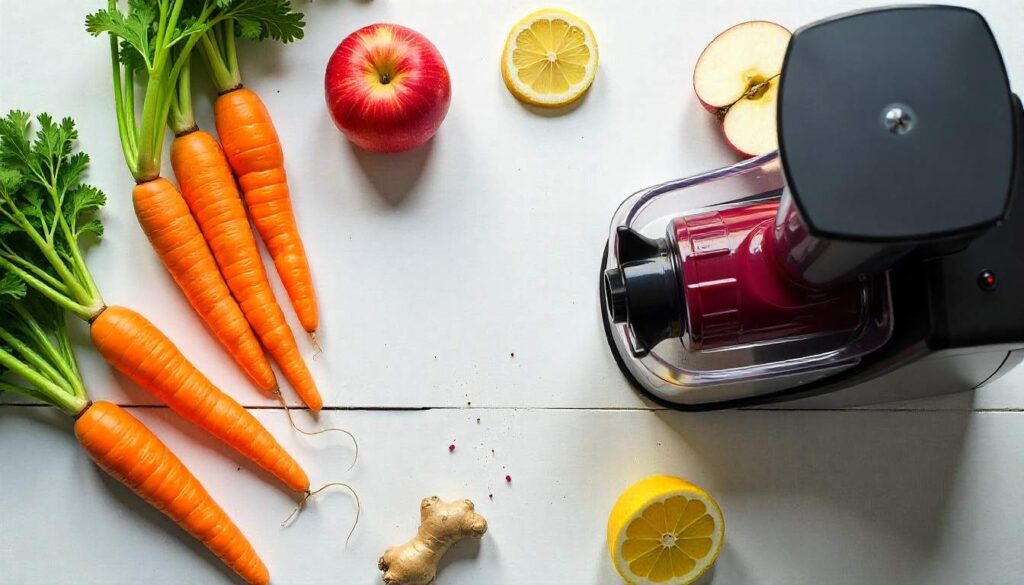
- 1 medium raw beet, peeled and quartered
- 3 large carrots, tops removed
- 2 stalks of celery
- 1 large handful of spinach or kale
- 1-inch piece of fresh ginger, peeled
- ½ a green apple (optional, for a touch of sweetness)
- Juice of ½ a lemon
Instructions:
- Run all ingredients (except the lemon) through your juicer according to its instructions.
- Stir in the fresh lemon juice at the end. This not only adds a bright flavor but also helps preserve the vibrant color.
- Pour into a glass and drink immediately for the highest nutrient content, or store in an airtight container in the fridge for up to 24 hours.
Why It Works: The beet, spinach, and celery are a triple-threat of blood-pressure-supporting nitrates and potassium. Ginger adds anti-inflammatory power, and the lemon provides a burst of vitamin C.
Recipe 2: The Berry Antioxidant Blast (The Inflammation Fighter)
This delicious, deep-purple juice is packed with antioxidants to help protect your heart from cellular damage and reduce inflammation.
Calories: ~160 calories (16 oz serving)
Prep Time: 10 minutes
Ingredients:
- 1 cup fresh or frozen blueberries (if frozen, thaw slightly)
- 1 cup fresh strawberries, hulled
- 2 large carrots
- 1 small beet, peeled
- 1 handful of kale
- ½ cup fresh parsley (a potent anti-inflammatory)
Instructions:
- Process all ingredients through your juicer. Berries can be pulpy, so alternate them with harder ingredients like carrots and beets to help push them through.
- Stir well and enjoy. The flavor is naturally sweet and vibrant from the berries.
Why It Works: Blueberries and strawberries are renowned for their high levels of anthocyanins. Parsley is a surprising powerhouse of vitamins and antioxidants, and the beet and carrots provide a foundational base of heart-healthy nutrients.
Recipe 3: The Green Cleanse (The Cholesterol Manager)
This green-focused juice is rich in chlorophyll and compounds that support overall vascular health and may help manage cholesterol levels.
Calories: ~120 calories (16 oz serving)
Prep Time: 8 minutes
Ingredients:
- 4-5 stalks of celery
- 1 large cucumber
- 1 large handful of kale
- 1 large handful of spinach
- 1 green apple
- Juice of 1 whole lime
- ½-inch piece of fresh turmeric (or ¼ tsp powdered)
Instructions:
- Juice the celery, cucumber, kale, spinach, apple, and fresh turmeric.
- Stir in the fresh lime juice. The citrus helps with the absorption of the iron from the leafy greens.
Why It Works: Celery and cucumber are hydrating and support healthy blood pressure. The leafy greens provide potassium and magnesium. Turmeric adds a major anti-inflammatory boost with its active compound, curcumin.
Pro Tips for Heart-Healthy Juicing
- Drink It Fresh: Juice is most potent right after it’s made, as nutrients can oxidize and degrade over time.
- Go Slow: If you’re new to juicing, start with a small glass (4-8 oz) to see how your body reacts.
- Chew Your Juice: It sounds strange, but swishing the juice around your mouth helps mix it with saliva, which begins the digestive process.
- Pulp is Gold: Don’t throw away the pulp! It’s full of fiber. You can add it to soups, stews, or muffin batter to reduce waste.
- Focus on Veggies: Remember the 80/20 rule: aim for 80% vegetables and 20% low-sugar fruit in your recipes.
For a comprehensive approach, complement your juicing habit with the guide to the top 10 heart-healthy superfoods.
The Final Sip: A Simple Ritual for a Healthy Heart
Bringing these juice recipes for heart health into your daily routine gives you a simple and proactive way to support your long-term well-being. Each glass becomes a small ritual that connects you with the power of whole foods in a direct, refreshing, and enjoyable way. And even though juice alone isn’t a complete solution, it still serves as a valuable tool in your wellness toolkit, offering a vibrant reminder that caring for your heart can feel both easy and rewarding. So go ahead and dust off your juicer, load your kitchen with colorful produce, and raise each glass as a toast to your health.
Frequently Asked Questions (FAQ Section)
1. Is it safe to drink beet juice every day?
For most people, beet juice is perfectly safe. However, because beets are so effective at lowering blood pressure, it’s wise to check with your doctor if you’re taking medication for hypertension. This way, you can enjoy beet juice safely without the risk of your blood pressure dropping too low.
2. Can these juices replace my medication?
No, these juice recipes for heart health are meant to support your diet, not replace any prescribed medications. It’s important to always follow your doctor’s guidance when it comes to your health and medications.
3. I don’t have a juicer. Can I make these in a blender?
Yes, you can turn these recipes into a smooth juice or a smoothie. Simply blend all the ingredients with a little water until everything is completely smooth. If you prefer a juice-like texture, you can strain the mixture through a nut milk bag or a fine-mesh sieve, but keep in mind that doing so will remove some of the valuable fiber.
4. What’s the best time to drink heart-healthy juice?
Many people like to enjoy it in the morning on an empty stomach to get the most from the nutrients. At the same time, drinking it with a meal that includes healthy fats, such as a handful of nuts, can help your body absorb the fat-soluble vitamins even more effectively.
5. Are there any side effects?
Beet juice can sometimes turn your urine or stool a reddish color, a harmless effect known as beeturia. A few people might also notice mild digestive discomfort when they first start drinking it. Pay attention to how your body responds and begin with small amounts to see how you feel.
All images are generated using Freepik.








Leave a Reply